

When sealant starts cracking, shrinking or pulling away, water can find its way into all sorts of places fast. Around homes and commercial buildings in South Australia, that can mean damp walls, mould, stained finishes and ongoing repair work that costs more the longer it’s left. The good news is that most joint failures are easy to spot early if you know what to look for.
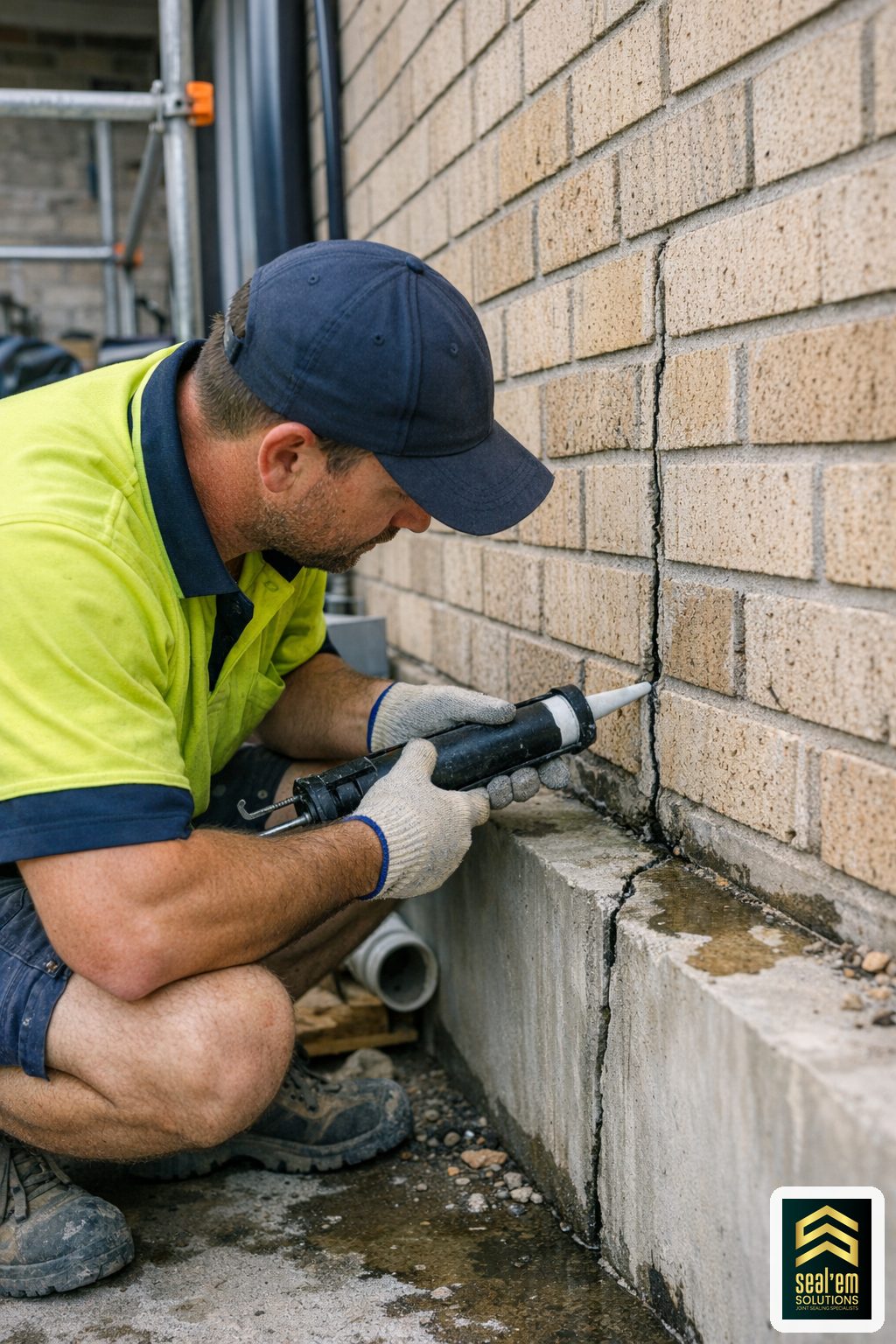
Why joints fail in the first place
Movement is the big one. Buildings shift a little over time from heat, settling and vibration, and that puts pressure on sealant lines. In places like Heathpool and Hazelwood Park, we also see plenty of sun exposure and weather changes that can dry out or break down older products.
Common causes of joint failure include:
- Ageing sealant that has lost flexibility
- Poor surface prep before the original application
- Movement in walls, slabs or building materials
- Moisture exposure in bathrooms, kitchens and exterior façades
- Heat and UV damage on exposed joints
What to look for
Cracks are the obvious sign, but there are a few other clues worth watching for. If you notice gaps opening at joins, sealant that’s peeling away from the edge, or sections that look brittle and dusty, the seal is probably no longer doing its job.
Inside the building, keep an eye out for:
- Water stains near bathrooms or kitchens
- Musty smells or signs of mould
- Swelling around skirting, cabinetry or wall edges
- Loose or missing grout and sealant around wet areas
Outside, failed joints can let moisture behind cladding, around windows, and into expansion joints. That can lead to bigger structural headaches if it’s not fixed promptly.
Why repairs should be done properly
There’s a big difference between a quick patch-up and a proper reseal. To get lasting results, the old material needs to be removed, the joint cleaned and prepared, and the right product selected for the conditions. That’s especially important for bathrooms, kitchens and fire-rated applications where performance really matters.
For higher or harder-to-reach areas, rope access can be the safest and most efficient way to get the job done. Our Abseiling – Rope Access service helps us reach difficult joints without unnecessary disruption, and our Fire Rated Joint Sealing work supports compliance where tested systems are required.
Staying ahead of water ingress
Regular inspections are the simplest way to avoid bigger repairs later. A quick check every so often can catch cracking, lifting or gaps before water gets in. That’s especially useful on exposed buildings, wet areas, and older properties where sealants may already be nearing the end of their lifespan.
If you’re unsure whether a joint just needs maintenance or a full replacement, it’s worth getting it looked at by a trades team that knows sealants, movement joints and access work properly. We also regularly help with Caulking and Joint Sealing Services in Heathpool South Australia 🥇 and Caulking and Joint Sealing Services in Hazelwood Park South Australia 🥇.
If you’ve spotted cracked or lifting joints at your property, get in touch with Seal’em Solutions Australia for practical advice and a proper sealing solution that’s built to last.